Current Projects
Empowering Youth for Leadership and Child Safeguarding (EYLCS)
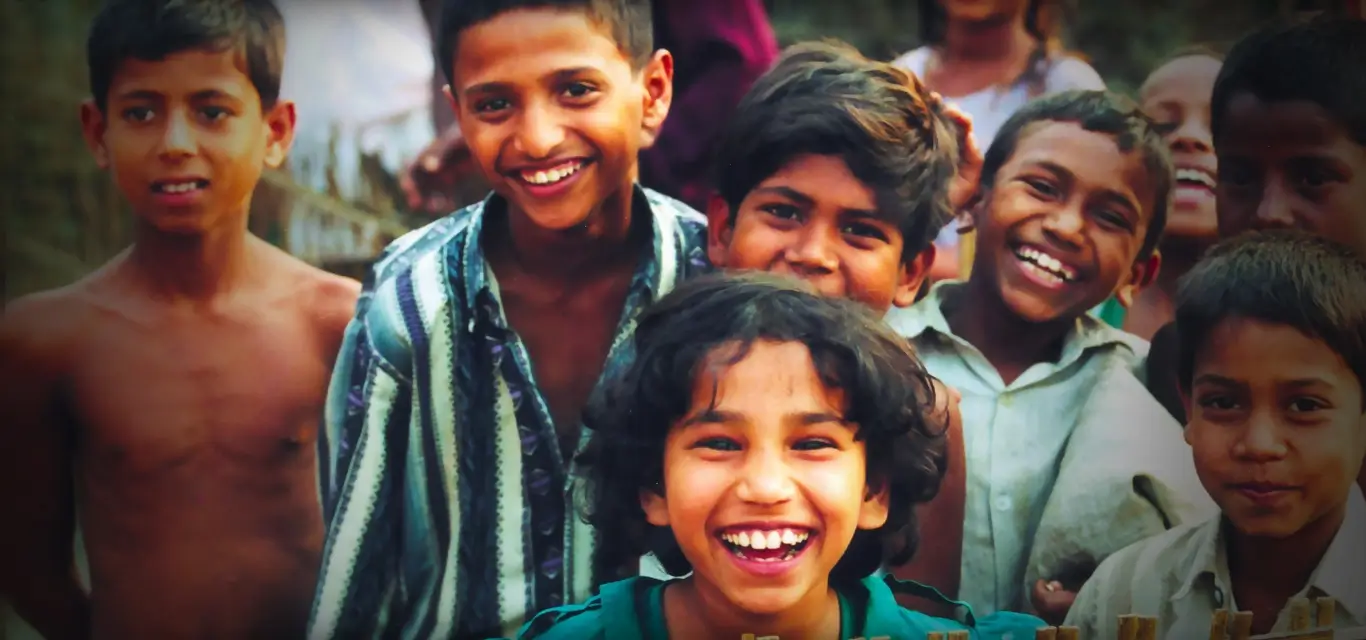
Youth is considered to be the most receptive to Social change, i.e their ideas, views, and patterns of behaviour are expected to change in response to the new forces unleashed by any forces of the society, India has more than 50% of its population below the age of 25 and more than 65% below the age of 35. In 2020, the average age of an Indian is 29 years, compared to 37 for China and 48 for Japan; and, by 2030, India’s dependency ratio will be just over 0.4.
What is youth leadership? The leadership that stands equipped to handle the power, struggles for justice and builds a strong force to encounter the ruling power. This essentially does not exclusively mean political. Rather, being equipped to walk along with the government system mobilizing the process of development and sustainability.
Migration causes the breakdown of family units, leading to the loss of traditional safety nets and various other socio-economic consequences detrimental to the interests of children and youths. They often seek solace by escaping from stressful and abusive situations in their houses. They prefer to spend most of their time outside to avoid alcoholic parents along with other poverty-related factors which play their roles in choice children are forced to make.
The urban settings have sadly impacted the youth negatively; besides the ill-living condition, their personalities are ill-shaped and their energies are wrongly channelized. They get easily sucked into bad habits & addictions.
Having gained some level of education many a times is of no or less help. There is a need to develop the youths with Skills that will help them to navigate themselves and enable them to channelize their young energy constructively. The need to have learnt and developed life skills, the need to learn about navigating through the existing pollical-social-economic structure that brings about change… Change that is meaningful and that creates IMPACT.
Through the project we were able to achieve: anganwadi and school enrollment, provide supportive educational services, supportive health care, children and their parents were well educated on eradication of child labour and why it is necessary, good amount of training, vocational skill and to some extent entrepreneurial development was introduced. Children and adolescences are being trained to take necessary action on making their communities and better place to live.
Despite all this progress, the community children who are now adolescence and youth require handholding and external support. There is a need to work with primarily the youth and build their confidence, give them life skill trainings and leadership development. There is a need to give the communities good leaders.